
Hurricane · Tropical Storm · Wind · Hail
Storm Damage Roof Repair in Pensacola
Identify what the weather changed, keep a clear damage record, and separate temporary protection from permanent repairs.
Storm Assessment & Repair FAQ
The Driveway View Does Not Tell the Whole Story
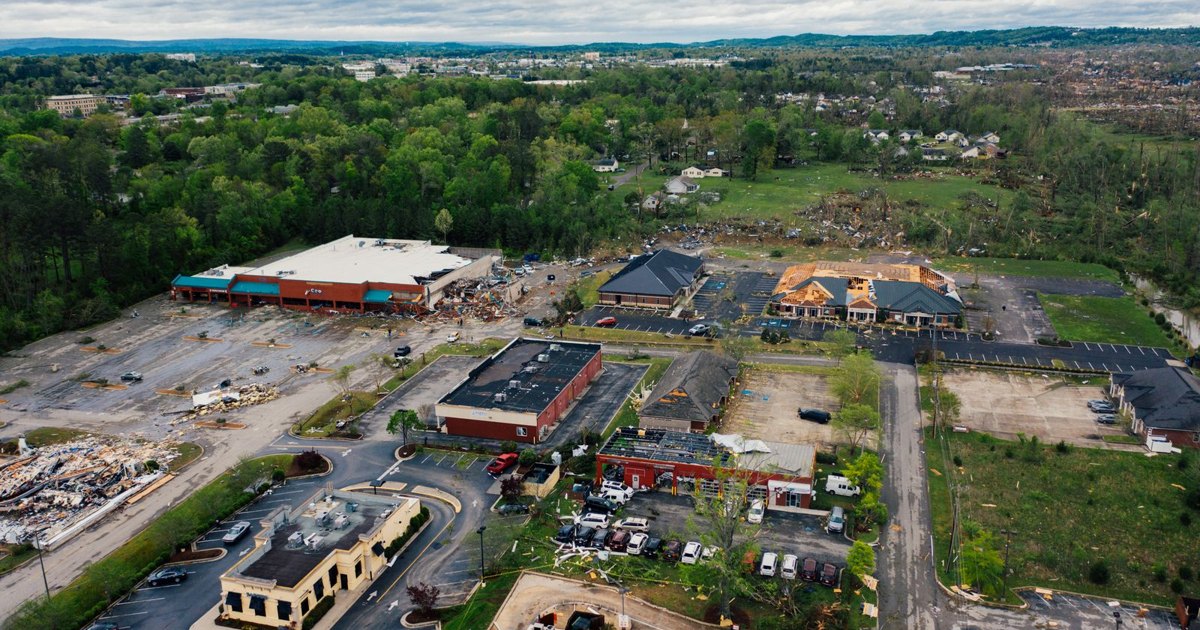
After a Gulf Coast weather event, a roof can look intact while individual components have been stressed. Wind may loosen a shingle seal without leaving an obvious empty patch. Hail can produce localized damage that needs closer evaluation, and flying debris may affect flashing or edge metal instead of the middle of a slope. First Eagle Roofing serves the Pensacola area with residential and commercial roofing work. A storm assessment should establish what is visible, what requires further investigation, and which areas need repair rather than assuming every roof has the same damage.
Look for Changes Without Climbing Onto the Roof
From a safe location, note new debris in the yard, displaced gutters, bent metal edges, or roof material around downspouts. Indoors, photograph fresh ceiling marks and record when they appeared, but avoid damaged rooms where a ceiling is sagging or electrical hazards may exist. Do not walk a wet roof or approach downed lines. During an inspection, creases, fastener movement, damaged seams, and disturbed penetrations deserve attention alongside missing material. A new stain after wind-driven rain is evidence to investigate, not proof of a particular failure by itself.
Create a Record That Separates Observation From Assumption
Organize photographs by building area and date, and keep notes describing the weather event and subsequent changes. Earlier inspection records or roof photographs can provide useful context. A written repair scope should identify affected components and proposed work, rather than labeling every mark as storm damage without explanation. Keep receipts for reasonable measures taken to prevent further loss. Florida's consumer guidance recommends documenting damage, contacting the insurer, and retaining those records; it does not guarantee that every expense or observed condition will be covered.
Move From the Insurance Report to a Repair Scope
Notify your insurer or agent promptly and follow the policy's reporting instructions. The adjuster's findings, your deductible, exclusions, and coverage terms influence the claim outcome. A contractor's estimate describes roofing work; it is not a coverage decision or a promise of payment. Ask the insurer how inspection timing and necessary protective work should be documented before authorizing nonemergency changes. Once the required information is available, compare the proposed repair with the observed damage and clarify any differences before committing to permanent work.
Protective Work and Permanent Repair Solve Different Problems
If an opening leaves the building exposed, emergency roof tarping may provide temporary protection while assessment and repair planning continue. That measure does not establish the final repair scope. Water that persists without an obvious opening needs roof leak investigation to locate the entry path. Permanent work may involve specific shingles, flashing, metal details, or membrane areas; widespread damage can require a broader evaluation. Repairs should use compatible materials and follow applicable code and installation requirements for the affected assembly.
Choose Accountability Over Post-Storm Pressure
Major storms can attract door-to-door offers from contractors who will not remain nearby after the work. Check licensing through the Florida license lookup, verify contact details, and insist on understandable scope and payment terms. Avoid anyone promising an automatic insurance payout or offering to waive a required deductible. Our roof repair services cover focused permanent work when the surrounding system remains suitable. Bring your damage photographs and insurer instructions to the inspection discussion so the next decision rests on evidence rather than urgency alone.
Areas We Serve
Based in Pensacola, working across Escambia, Santa Rosa, and Okaloosa counties.
Related Services
Emergency Roof Tarping
Secure temporary protection after hurricane, tree, or wind damage while repairs are planned.
Learn moreRoof Leak Repair
Active leaks traced to their source and stopped — before hidden moisture spreads.
Learn moreRoof Repair
Shingles, flashing, pipe boots, vents, and roof-edge damage fixed without a full re-roof.
Learn more