Shingle · Metal · Low-Slope
Roof Installation in Pensacola
Choose the covering and the details beneath it as one coordinated system for Gulf Coast exposure.
Roof System Installation FAQ
A Covering Is Only One Part of the Assembly
A roof works through layers, not through a single material choice. The deck supports the covering, underlayment provides a supporting water barrier, and flashing directs runoff around changes in the roof's shape. Edges, valleys, and penetrations connect those layers to the rest of the building. First Eagle Roofing is based in Pensacola and helps owners consider those connections before selecting a system. A proposal should explain what happens at the details, not simply name the material visible from the street.
Installation concerns how a roof system is assembled; roof replacement addresses removing an existing roof and deciding when that work is needed.
Shingles: Layout, Exposure, and Attachment
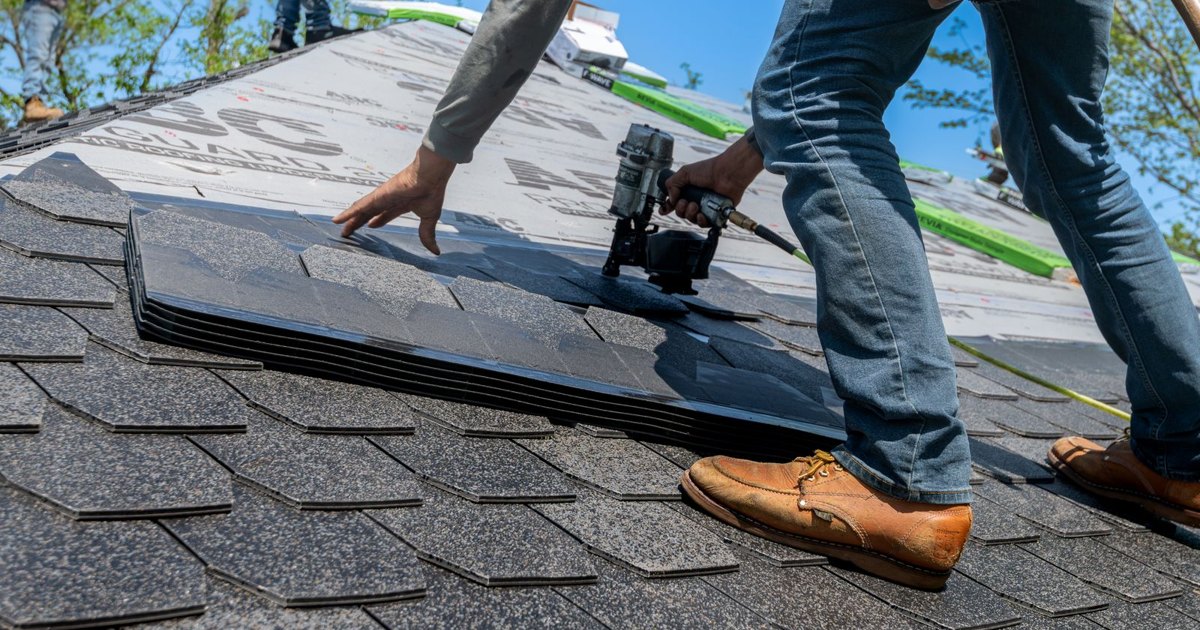
For a pitched home roof, asphalt shingles offer a familiar appearance and a range of profiles. Their installation begins with checking that the roof slope and supporting assembly suit the chosen product. Starter courses, offset joints, prescribed exposure, and ridge details all affect how the finished surface sheds rain. Fasteners belong in the manufacturer's designated nail zone and must meet the applicable installation requirements. Choosing a higher-rated shingle does not remove the need to get those underlying details right.
Metal: Panels Must Match Their Connections
Metal selection involves more than choosing a color or deciding between panel profiles. Standing-seam and exposed-fastener assemblies manage attachment differently, and panel movement needs to be accommodated in the details. Along Pensacola's coastal surroundings, finishes, clips, fasteners, and flashing should be evaluated for their exposure and compatibility. Ask how valleys, wall junctions, and roof-mounted accessories will be handled. A panel can be appropriate for one project without being the correct specification for a different slope, substrate, or salt-exposed location.
Low-Slope Roofing Starts With Water Movement
Porches, commercial buildings, and shallow roof sections need assemblies designed for their actual pitch. TPO and modified bitumen are options worth comparing where their approved applications fit. Drain locations, insulation layout, seams, and transitions to parapets or adjoining pitched roofs deserve attention before material selection is finalized. A roof that appears flat still needs a deliberate drainage strategy. Our commercial roofing services address the operating needs of buildings with rooftop equipment, tenant access, and larger low-slope areas.
Underlayment, Flashing, and Airflow Have Separate Jobs
Underlayment choices depend on the covering and the approved assembly; they should not be substituted just because two rolls look similar. Flashing needs to route water outward at walls, pipes, and intersections without relying on exposed sealant as the entire solution. Ventilation requires its own evaluation, especially where attic insulation blocks intake paths or a building uses an unvented design. For example, a small porch tie-in can create a complicated water transition even though it adds little roof area.
Specify for the Site, Not a Generic Wind Number
Applicable Florida Building Code requirements, local permitting conditions, product approvals, and manufacturer instructions guide the installation. Building height, exposure, and roof geometry can change the attachment design; there is no universal fastener count that covers every Pensacola property. Review maintenance access, coastal exposure, desired appearance, and the complete assembly when comparing options. Builders coordinating a roof with framing and other trades should use our new construction roofing process. Bring plans or roof photographs to the conversation so the material discussion starts with the building itself.
Areas We Serve
Based in Pensacola, working across Escambia, Santa Rosa, and Okaloosa counties.
Related Services
Roof Replacement
Full tear-off and re-roof for homes and commercial buildings, built to Florida wind code.
Learn moreNew Construction Roofing
Roofing coordination for builders, general contractors, and owners of new homes and buildings.
Learn moreCommercial Roofing
TPO, modified bitumen, metal, and coatings for businesses, HOAs, and property managers.
Learn more